
Short answer: track by base, not by trip. Create a separate trip for each city you live in, keep one home currency across all of them so the numbers stay comparable, and compare the daily average per city. That gives you something no cost-of-living website can: what a place costs you, at your standard of living.
Why nomad tracking is different
Vacation budgeting asks whether you can afford this trip. Nomad budgeting asks whether this life is sustainable at this burn rate, and which decisions move it. That changes what you track:
- Bases, not trips. Six weeks in Lisbon is a unit; a weekend in Porto inside it is not.
- Monthly burn matters more than a daily target. Your income arrives monthly, so the comparison has to be monthly, but the daily average is what makes different-length stays comparable.
- Some costs are work, not travel. Coworking, insurance, visas, software and hardware are business costs, and mixing them into “cost of living in Bali” makes every city look the same.
- Setup costs are real but one-off. The first week in a new city always costs more: deposits, a SIM, kitchen basics, the fan you buy on day two.
The metric that actually helps: daily average per base
Published cost-of-living figures describe a hypothetical person. Your own daily average describes you: your appetite for restaurants, your need for a quiet apartment with reliable internet, your weekend trips.
After three or four bases, you have a personal table that beats any website:
| Base | Stay | Your daily average | Monthly equivalent |
|---|---|---|---|
| Lisbon | 6 weeks | €71 | ≈€2,130 |
| Chiang Mai | 8 weeks | €34 | ≈€1,020 |
| Mexico City | 5 weeks | €52 | ≈€1,560 |
Once that table exists, decisions get easy: two months in the cheap base funds the expensive one you actually want to spend the summer in.
Separating work costs from living costs
Keep a consistent category for work expenses (coworking, SIM and data, insurance, visa runs, subscriptions) or keep them in a separate trip entirely. Two reasons: your city comparison stays honest, and if you are self-employed, the work total is the number your accountant wants at the end of the year.
Handle the first-week spike deliberately
Every new base has a setup week that runs 30–50% above the steady-state cost. If you judge a city on its first week you will conclude everywhere is expensive. Either look at the daily average from week two onward, or note the setup costs as a category so you can subtract them when comparing.
Rent paid monthly in a foreign currency deserves its own logged expense on the day it leaves your account, at the rate you actually got. Averaging it across the month hides exchange-rate moves that can be worth hundreds over a year.
Setting it up in Costari
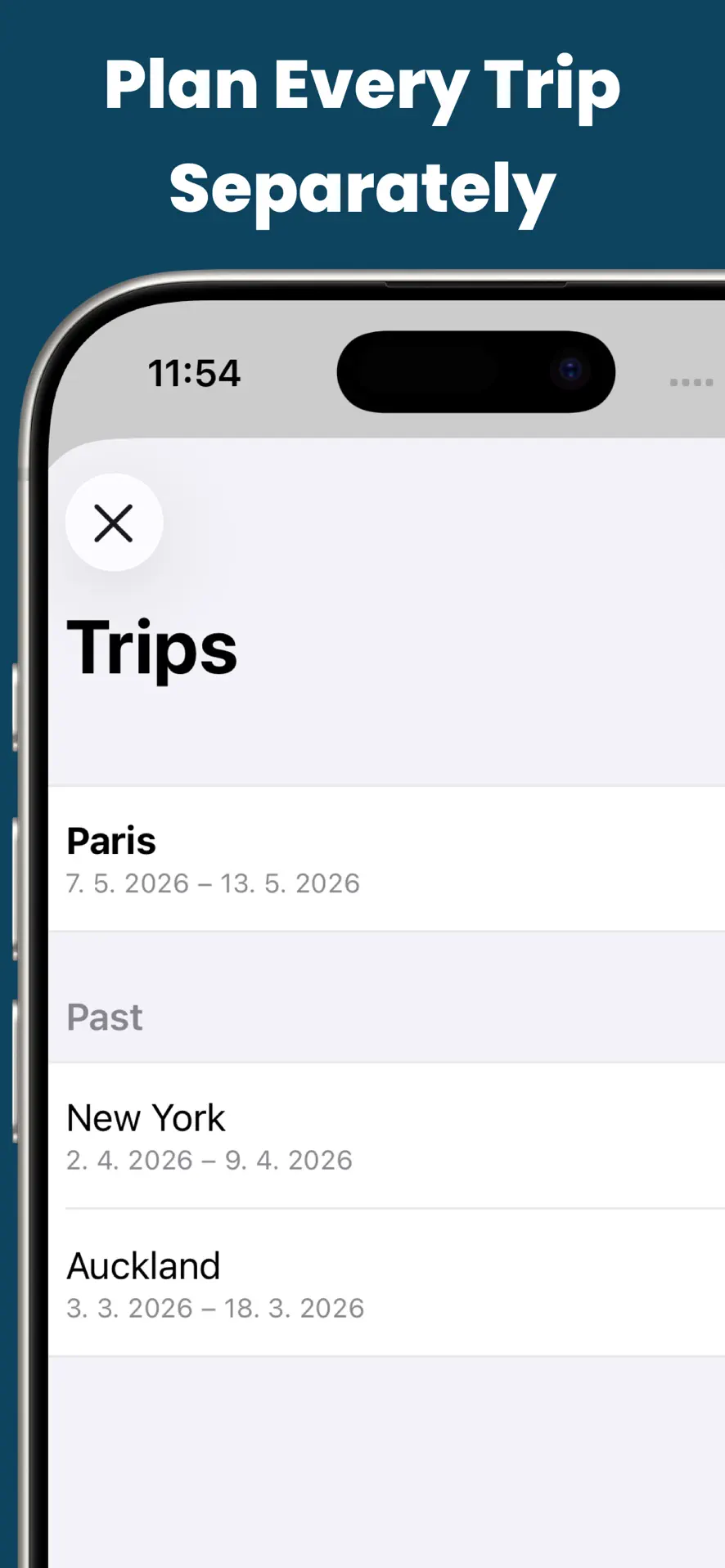
- One trip per base. Name it for the city, set the dates you arrive and leave, and keep the same home currency for every base: that is what makes them comparable.
- Set a daily budget from your monthly target divided by days, so the remaining-daily-budget number stays meaningful even though your income is monthly.
- Log in local currency. Automatic conversion across 150+ currencies means a year across six countries still produces one comparable set of numbers.
- Keep work categories consistent across bases so the year-end total is a two-minute job rather than an archaeology project.
- Read the daily average per trip to build your own cost-of-living table, then plan the next six months around it.

Costari: Travel Spend
Trip budgets, 150+ currencies, shared trips and a remaining daily budget you can check in two seconds. Free on iPhone and iPad.
Frequently asked questions
Should digital nomads track by month or by trip?
By base, with the daily average as the comparison metric. Stays are rarely exactly a month, so a daily average is the only fair way to compare six weeks in Lisbon with eight weeks in Chiang Mai.
How do I separate business travel costs from personal spending?
Use a dedicated set of categories for work costs (coworking, insurance, visas, hardware, software) or keep them in their own trip. It keeps city comparisons honest and makes the year-end tax total easy to pull out.
Is a travel expense tracker enough for long-term travel?
For cost of living and city comparison, yes. That is exactly the trip-based, multi-currency model. Pair it with a normal personal-finance setup for the things that follow you around: income, savings, home-country subscriptions and taxes.